PURE CALABRIA / LAMEZIA TERME
History of Lamezia Terme
Three souls, one city. Your guide to places, flavours and everyday life.
Home / History of Lamezia Terme · Open the map ↗A HISTORY TO EXPLORE
The history of Lamezia Terme: three towns, one identity.
Today’s city grew from different histories. Start with the timeline: each stop is clickable and jumps directly to its chapter. Scroll horizontally to explore every period.
Prehistory
The earliest communities
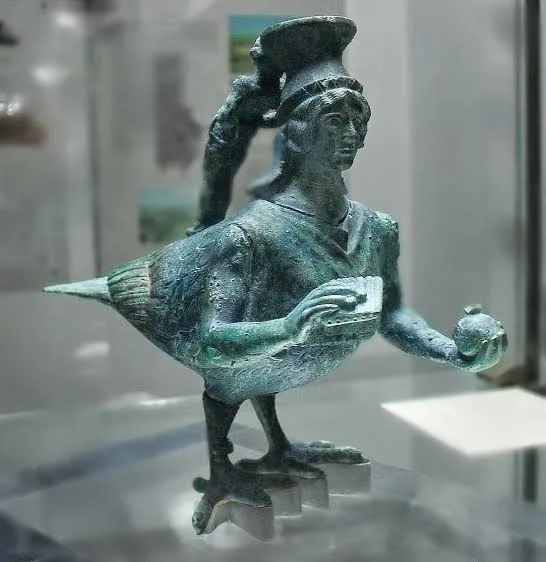
Long before a city existed here, this was a landscape of routes and resources. The plain of Sant’Eufemia, its surrounding hills and river valleys offered different environments and connected the Tyrrhenian coast with the inland areas. The collections of the Lametino Archaeological Museum document a long human presence and introduce ancient technologies and ways of life.
The earliest traces do not yet correspond to the neighbourhoods now known as Nicastro, Sambiase and Sant’Eufemia. They belong to a broader story of communities that inhabited, crossed and reshaped the plain over many centuries. Its geography is a useful starting point: the sea to the west, hills inland and a fertile plain between them.
Museum objects and reconstructions help visitors approach these periods without treating them as one single foundation of the modern city. Lamezia’s identity developed gradually, through different settlements and changing landscapes.
Source: Museo Archeologico Lametino ↗
6th–3rd century BC
Terina and Magna Graecia
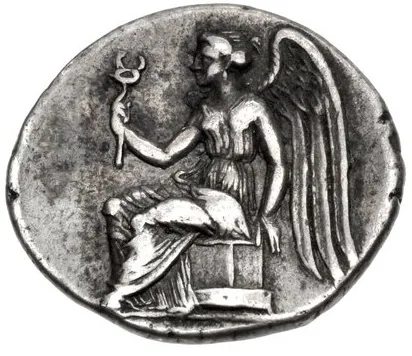
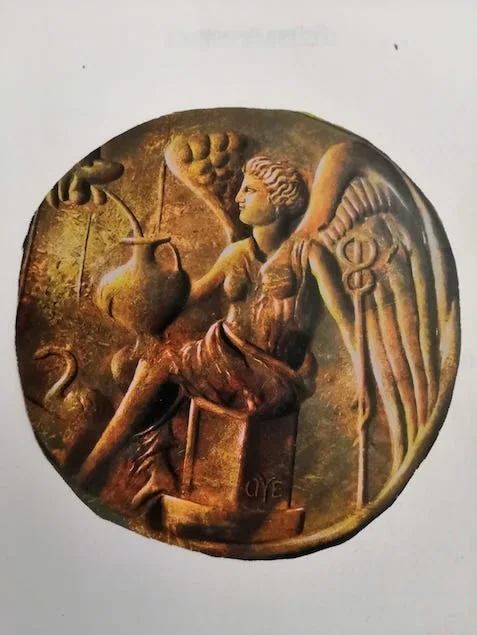
Terina developed on the plain of Sant’Eufemia as a city connected to Croton. Ancient sources place it on the Tyrrhenian coast between Temesa and Hipponion. Its remains show a territory linked to the wider world of Magna Graecia, with an organised settlement, homes, craft activity and exchange.
Archaeological work has identified regular streets and domestic spaces, some possibly used for craft production. The excavated structures mainly date to the 4th and 3rd centuries BC. A bronze tablet found in 2002 and dated to the 5th century BC helped confirm Terina’s connection to Croton.
Modern research began after a jewellery hoard was found at Terravecchia in 1865. François Lenormant proposed the identification in 1884; Paolo Orsi carried out surveys in the early 20th century, and systematic excavations began in 1997. The hoard was sold to the British Museum at the end of the 19th century.
Source: Area archeologica di Terina ↗
1st century BC–8th century AD
Rome, Late Antiquity and Byzantium
Under Roman rule, the plain became part of a wider political and economic system. Late-antique changes did not remove the importance of the route between the Tyrrhenian coast and the inland areas. The territory remained a mosaic of farmland, routes and settlements whose roles changed over time.
The municipal historical account places Nicastro’s origins in the Byzantine period. The name Neocastrum is interpreted as “new castle” and points to a hill settlement in a more defensible position than open sites on the plain. An 8th-century ecclesiastical source lists the bishop of Neocastrum among the suffragans of the archbishop of Reggio.
This was not one city continuing unchanged: the plain and hills were organised around different centres, connected by streams, ridge routes and access to the gulf. These developments preceded Nicastro’s medieval growth and the influence of religious communities on the plain.
Source: Storia di Nicastro ↗
1059–14th century
Norman and Swabian Nicastro
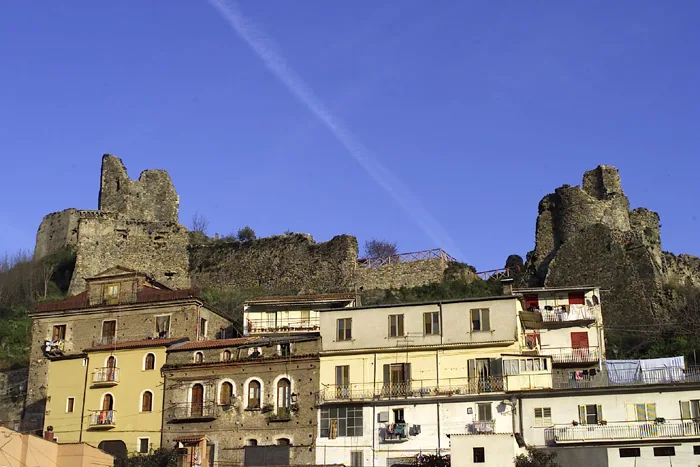
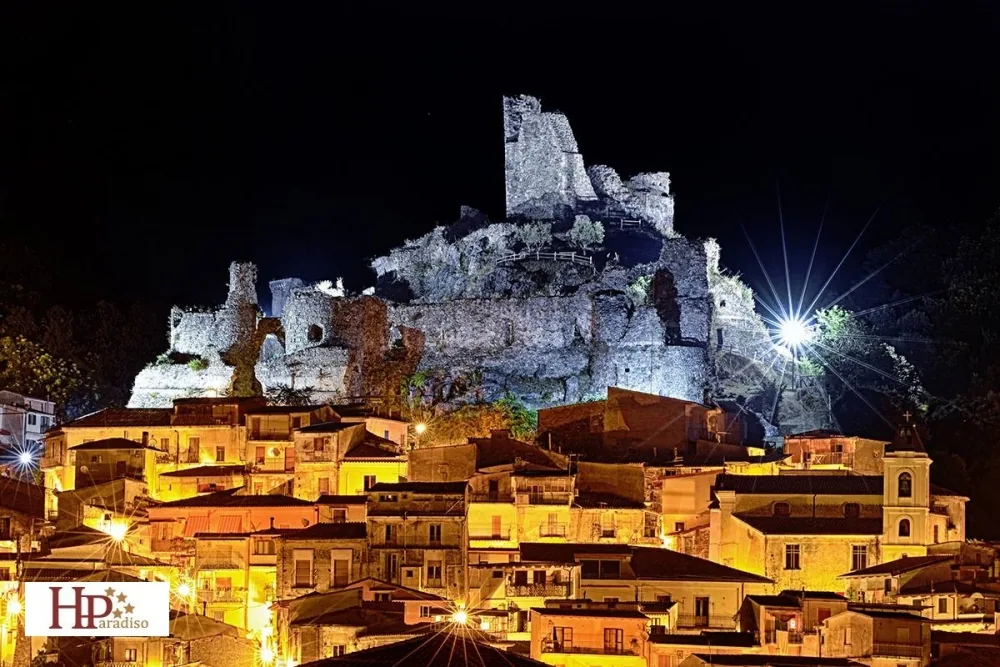
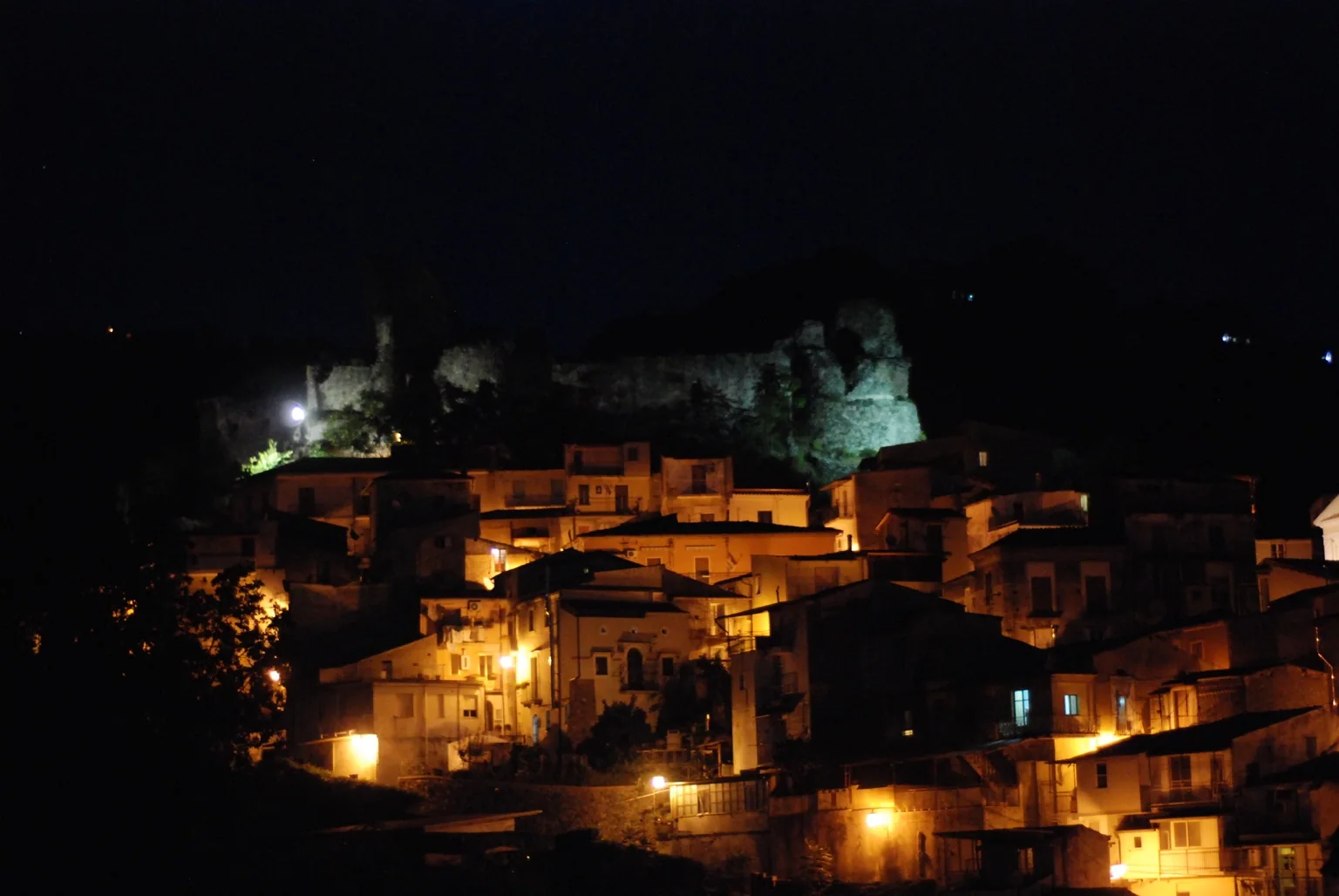
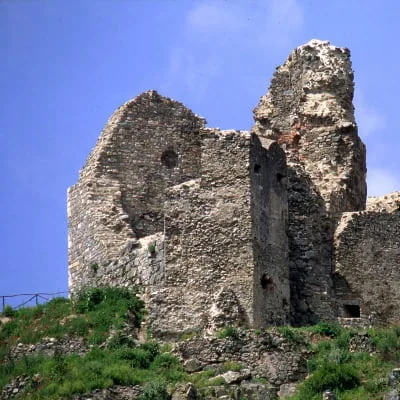
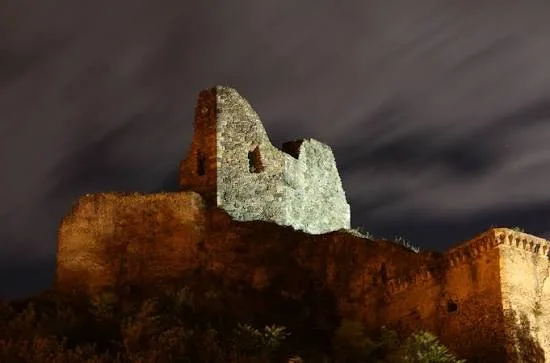
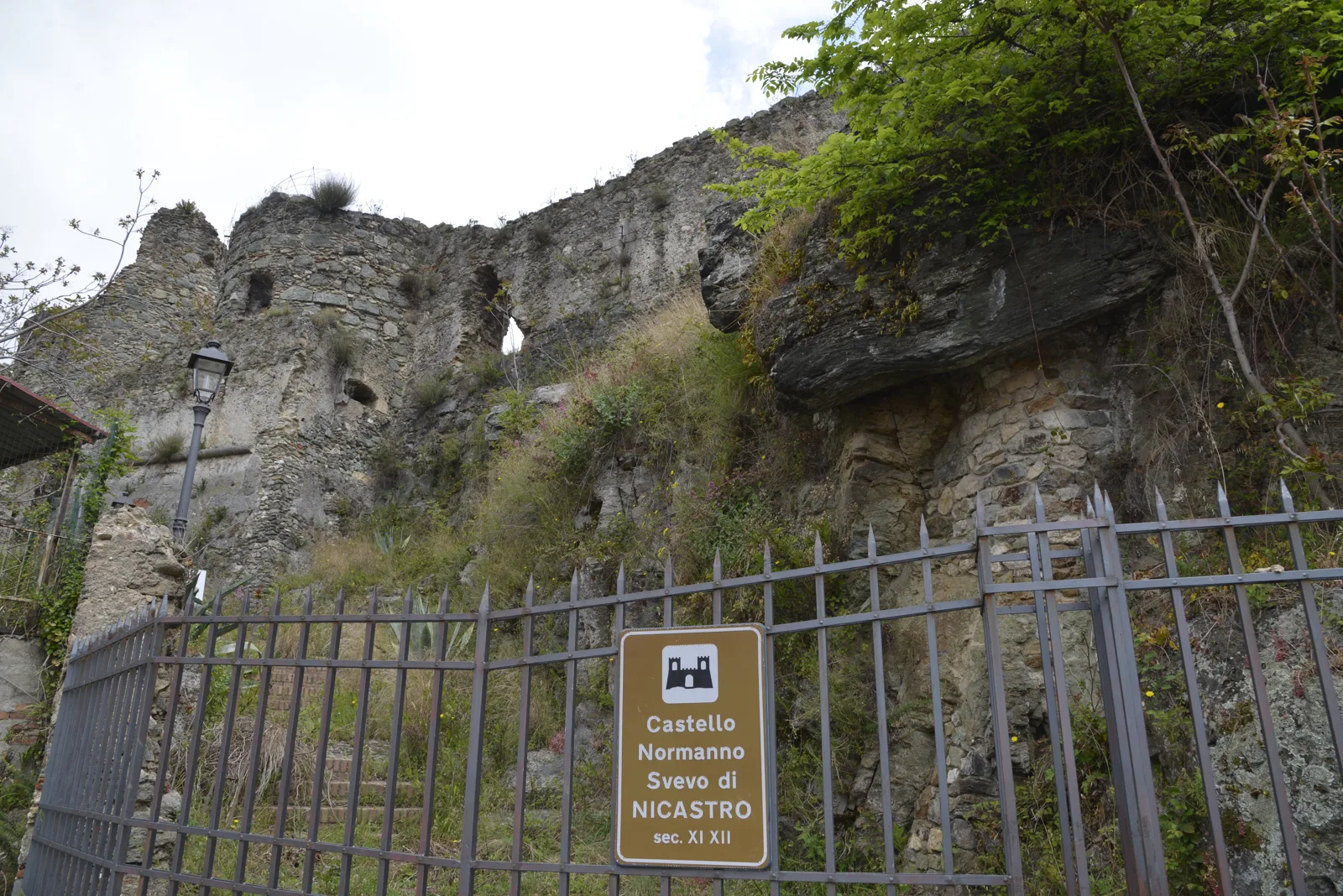
In 1059 Robert Guiscard occupied Nicastro during the Norman campaign in Calabria; the town resisted. The hill and fortress became a point of control over the territory and routes linking the coast with inland areas. Excavations at the castle reveal successive phases of construction, expansion and repair: Norman and Swabian work was followed by Angevin and later changes.
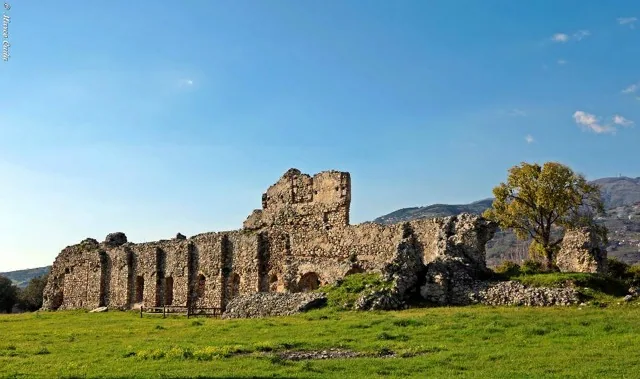
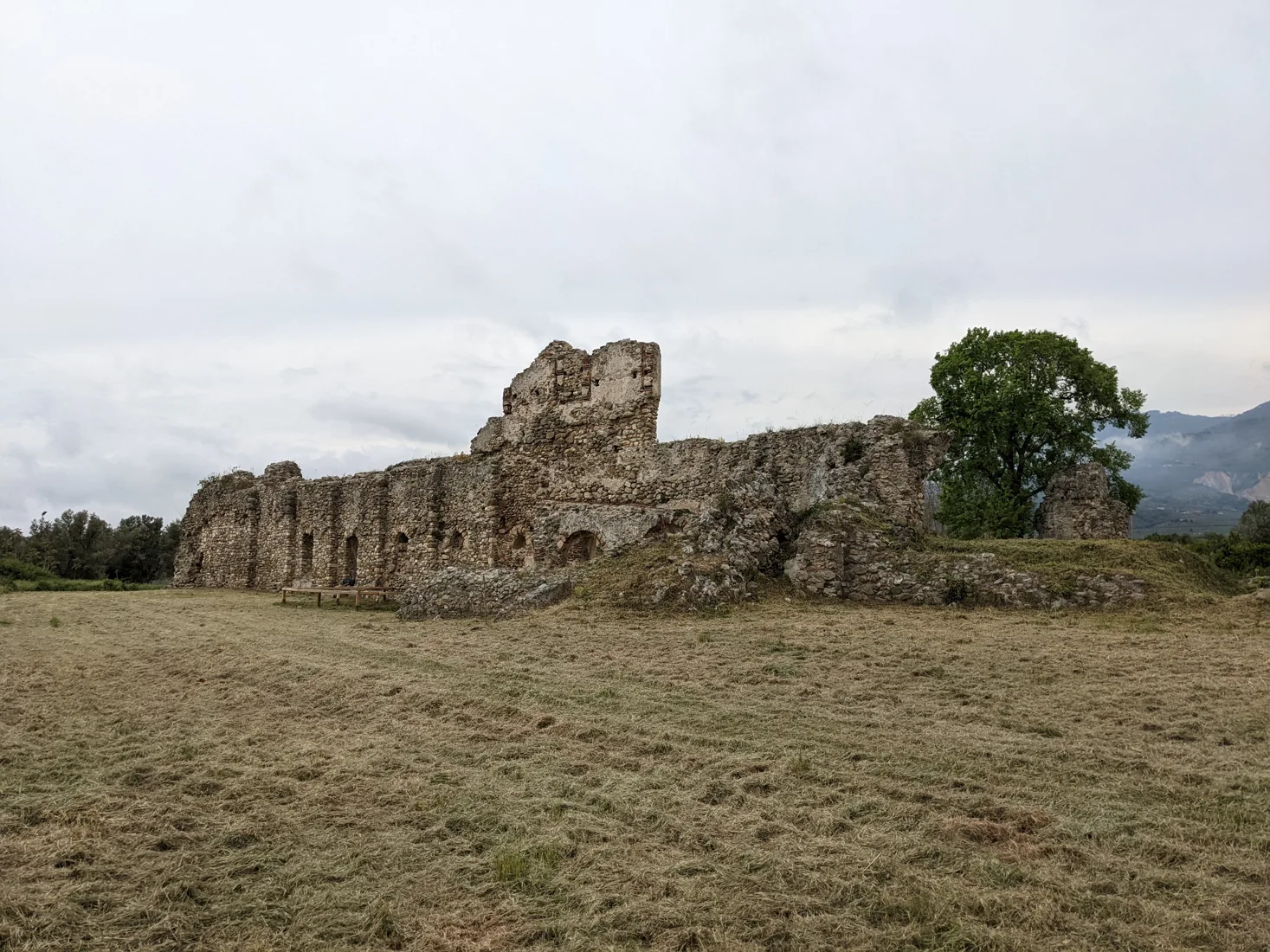
In 1062 Robert Guiscard founded the Benedictine Abbey of Santa Maria over the remains of a Byzantine monastery dedicated to Saint Euphemia. The abbey received land and revenues and became a religious and economic centre for the plain. Nicastro’s Norman cathedral also developed after earlier destruction.
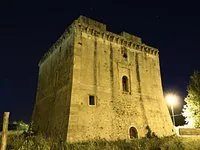
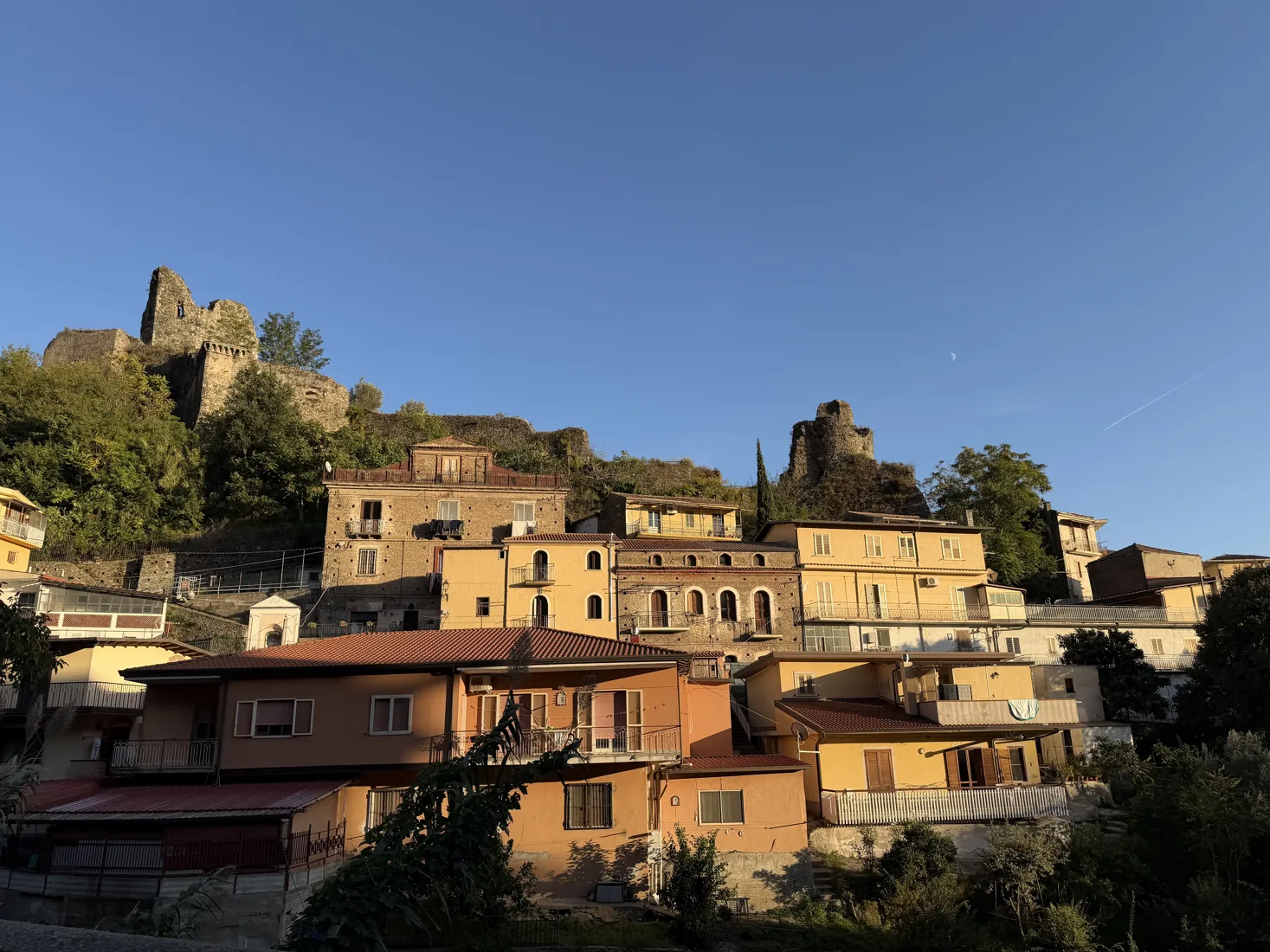
Under the Swabians, Frederick II returned Nicastro to the royal domain in 1240 and stayed for long periods at the castle. The municipal history also records that his rebellious son Henry was imprisoned there. The relationship between the castle, San Teodoro quarter, cathedral and old streets still helps explain the medieval town.
Source: Storia di Nicastro ↗
11th–18th century
Sambiase and Sant’Eufemia: two histories of the plain
Sambiase grew beside the small religious community of San Biagio. The municipality’s historical account links the town’s name to the saint and to homes that developed near the place of worship. Local sources describe an area known for honey, olive oil and wine, as well as sulphurous hot springs. In 1482 Sambiase was joined to the County of Nicastro; after 1719 it began to have its own administration.
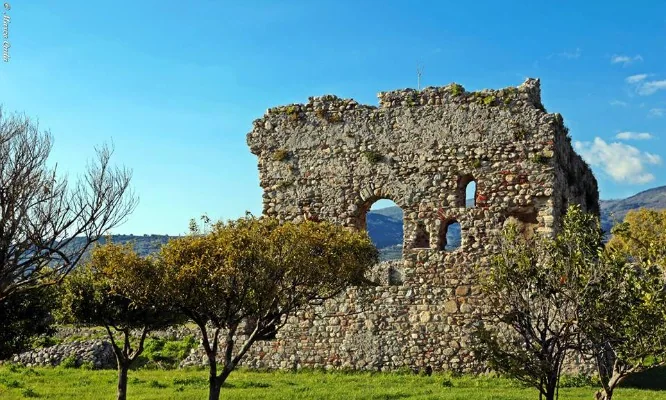
Sant’Eufemia followed a different path, shaped by the plain, agriculture and the abbey. The Norman complex founded in 1062 was run by Benedictines and later entrusted to the Knights of Malta under Angevin rule. The earthquake of 1638 destroyed it. The area also preserves archaeological evidence of Terina, a much earlier phase that should not be confused with the abbey’s history.
Together with Nicastro, these centres show why Lamezia’s story cannot be told as the simple expansion of one town. Each community developed its own landmarks, religious sites and activities.
Source: Storia di Sambiase ↗
15th–18th century
Feudal rule, communities and earthquakes
From the 15th to the 18th century, Nicastro and Sambiase were shaped by ruling dynasties and feudal families. Nicastro alternated between royal domain and feudal grants; in 1608 the fief passed to the D’Aquino princes of Castiglione and returned to the royal domain in 1799. Charles V stopped in Nicastro in 1535 on his return from Tunis; in 1595 Tommaso Campanella became involved in local disputes.
The earthquake of 1638 devastated Nicastro and the plain, damaging buildings, communities and religious sites. The abbey at Sant’Eufemia was destroyed and the castle entered a long decline. Floods of the Piazza stream in 1727 and 1782 caused further damage and loss of life. The 1783 earthquake contributed to changes at the castle.
Rebuilding left a heritage made up of buildings from different periods. Churches, squares and palaces show how local communities reorganised after events that profoundly changed the urban landscape.
Source: Storia di Nicastro ↗
19th century–1967
The transformation of the plain
During the 19th and 20th centuries, hydraulic and agricultural reclamation gradually changed the plain of Sant’Eufemia. Water management and land recovery reshaped a landscape of farmland, wetlands and areas that had been difficult to inhabit. New infrastructure improved connections between the historic centres, the coast and inland areas. Another earthquake caused damage to the town in 1873.
Nicastro also changed. After Italian unification it gained new administrative and public-service functions, including schools, offices and public facilities. The station boulevard, designed in 1894 and completed in 1897, became an important urban axis. Today Corso Giovanni Nicotera links the station area with the historic centre and Corso Numistrano.
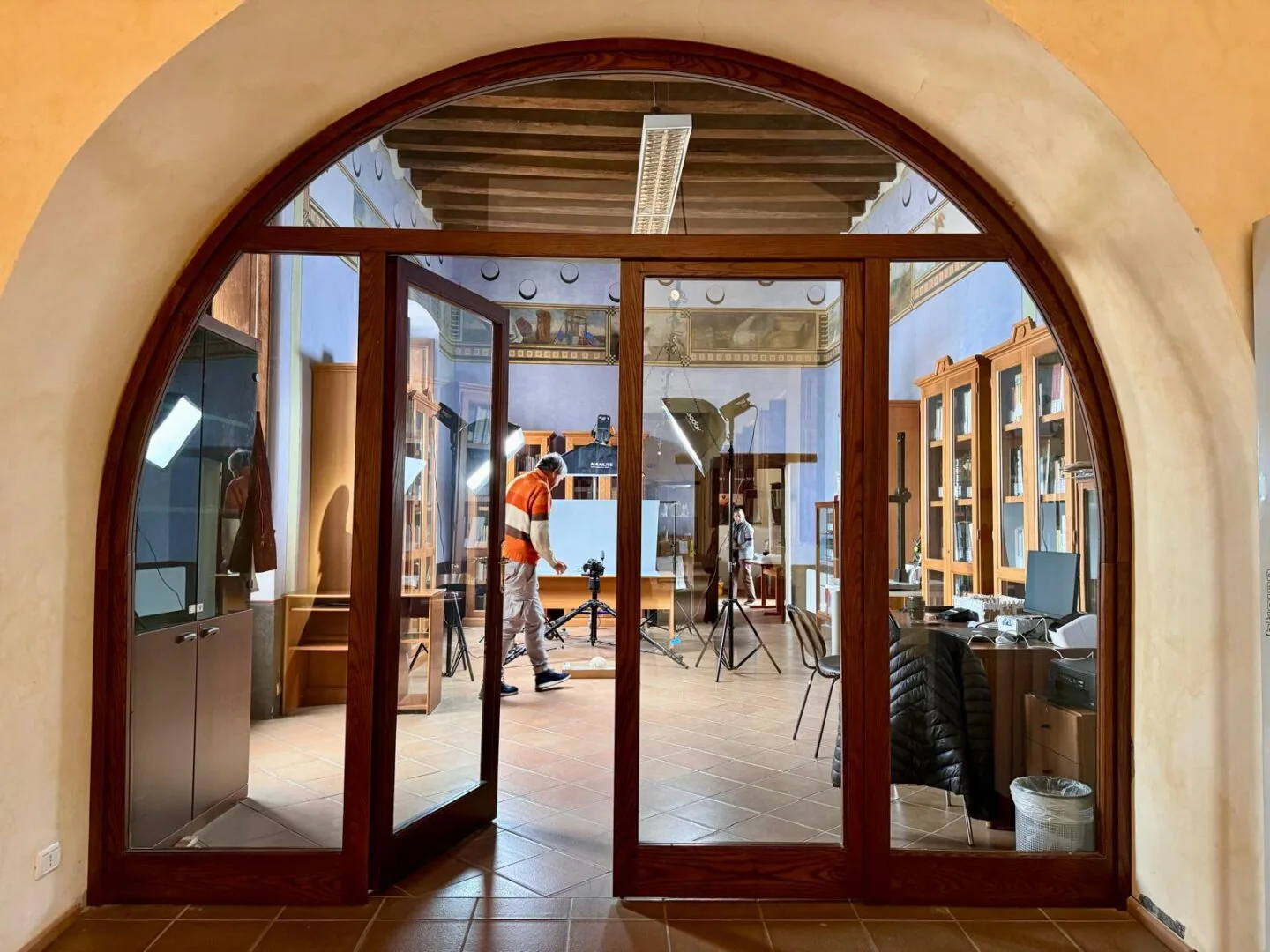
Archives document this administrative history. The State Archive sub-section at Nicastro was established in 1954 and became a full section in 1965. The former municipal records preserved in the local historical archive document Nicastro, Sambiase and Sant’Eufemia before unification. Infrastructure brought the centres into closer contact without erasing their distinct identities.
Source: Archivio di Stato · Sezione di Lamezia Terme ↗
Source: Comune · Quadro conoscitivo e storia urbana ↗
Source: Archivio Storico Comunale ↗
4 January · 15 November 1968
The administrative birth of Lamezia Terme
Lamezia Terme had two distinct founding moments. On 4 January 1968, Law no. 6 established the new municipality by joining Nicastro, Sambiase and Santa Eufemia Lamezia. The administrative handover followed on 15 November 1968, when the three mayors transferred their records to the prefectural commissioner appointed to lead the new administration.
The legal merger did not erase local identities overnight. The three centres had different histories, archives, religious traditions and everyday customs. The administrative union began a shared journey while leaving their historic cores recognisable. Distinguishing the law’s date from the transfer of records helps explain the difference between the legal decision and the start of unified administration.
The first municipal elections took place in June 1970. Arturo Perugini, one of the advocates of unification, took office as the first mayor on 28 September 1970. The new city began building shared institutions and services while Nicastro, Sambiase and Sant’Eufemia retained their own urban and community references.
Source: Gazzetta Ufficiale · Decreto di attuazione ↗
Source: Comune · Cenni storici ↗
1970–today
The contemporary city
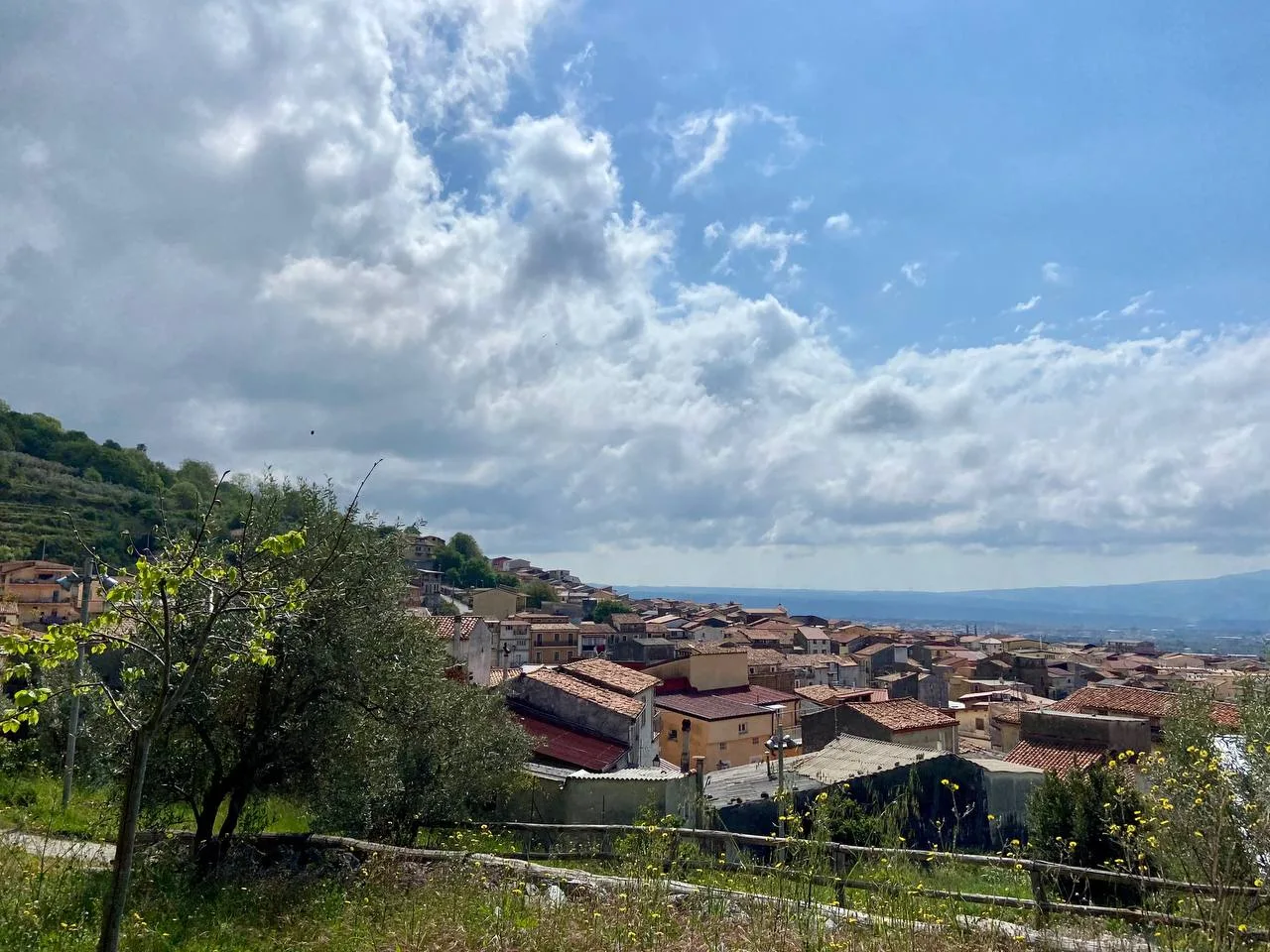
Since the first unified administration, Lamezia Terme has developed as a polycentric city. The historic quarters of Nicastro and Sambiase, the Sant’Eufemia area, commercial districts and transport hubs form different parts of one municipality. The airport and railway strengthened the plain’s role as a transport link, while historic centres preserve monuments, religious sites, archives and community memories.
Today’s city reflects many historical layers rather than a single origin. Terina tells the story of Magna Graecia; Nicastro preserves its medieval fortified core and later rebuilding; Sambiase retains its own urban and religious character; Sant’Eufemia connects the plain with the abbey and archaeological discoveries.
Visiting the three centres means moving through different chapters of one Lamezia identity. A route can begin at Nicastro’s castle and historic centre, continue through Sambiase’s churches and streets, and finish on the plain among Terina and the abbey remains. The map and monument pages help organise the visit while keeping the distances in view.
Source: Comune · I tre nuclei storici ↗
Three centres, one city
Nicastro, Sambiase and Sant’Eufemia preserve different histories and landscapes. Explore the guides and plan a route between the three centres.
Historical sources
Editorial text based on municipal, archaeological and archival sources. Check the dedicated pages for locations, access and updates.
Source: Comune · Nicastro ↗
Source: Comune · Sambiase ↗
Source: Comune · Terina ↗
Source: Comune · Abbazia di Sant’Eufemia ↗
Source: Biblioteca · Archivio Storico Comunale ↗
Source: Archivio di Stato · Sezione di Lamezia Terme ↗
Continue exploring
Monuments and historic places
From the Norman-Swabian Castle to San Domenico and Sant’Eufemia Abbey.
Explore ↗GALLERY
Section photography